As adults, we disagree about a lot of things. But there is one thing we have in common: our love and concern for kids. As I write this book, I have seven kids of my own, three under the age of ten: Nathan (age eight), Weston (age five), and Allie (age three). They’re good kids … at least most of the time. I must admit I’m frustrated by Nathan’s endless teasing rituals and Allie’s random temper tantrums. I was also horrified when Weston learned how to work a stapler and loaded my walls with staples. But all in all, I love them to death. And I’m often surprised by how smart they really are.
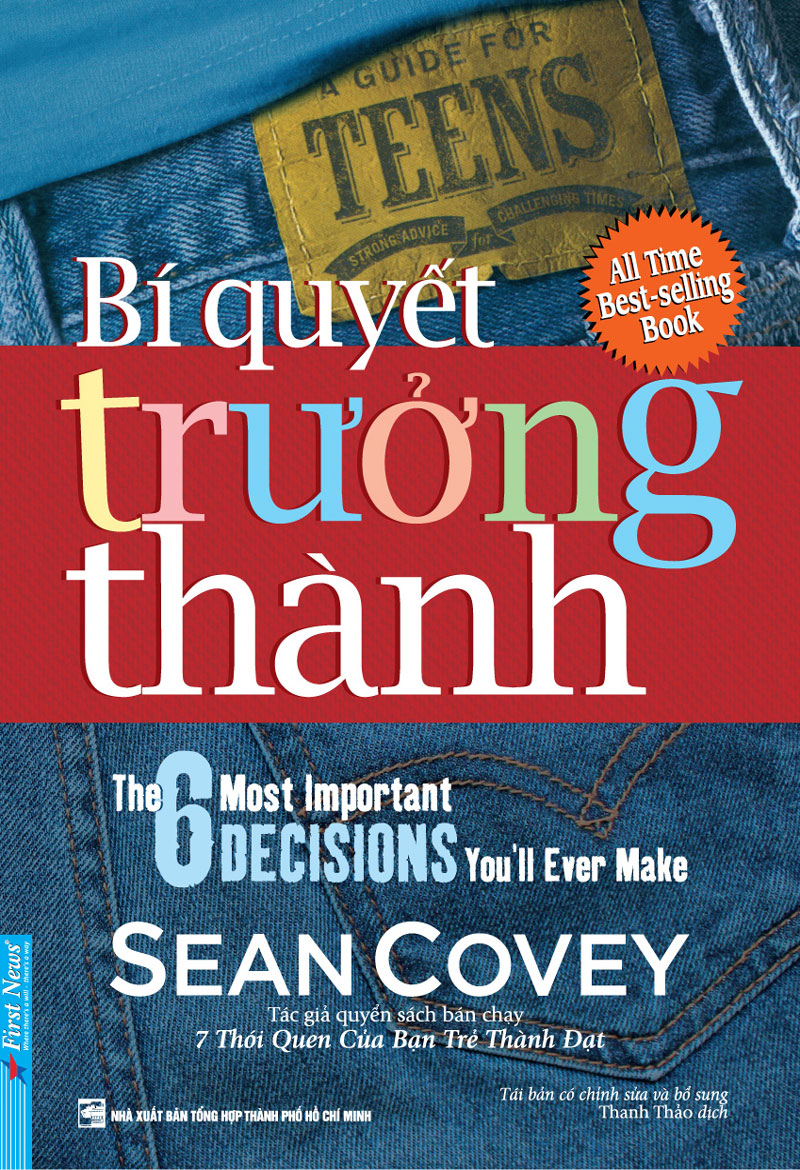
Years ago, I wrote a book called The 7 Habits of Highly Effective Teens, which was based on my dad’s bestselling book The 7 Habits of Highly Effective People. When I began writing the book for teens, I was afraid I would need to water down the concepts so that teens could understand the habits. I was surprised to find that I didn’t need to water down anything. They “got it.”
Even more surprising to me has been how numerous primary and elementary schools around the globe have been teaching the 7 Habits as curriculum and how much success they’ve had doing it. Who would have guessed that young children could so quickly grasp and apply the natural laws contained in the 7 Habits? Once again, I underestimated. (By the way, if you are interested in bringing the 7 Habits into your primary or elementary school, please visit wwwtheleaderinmeorg.)
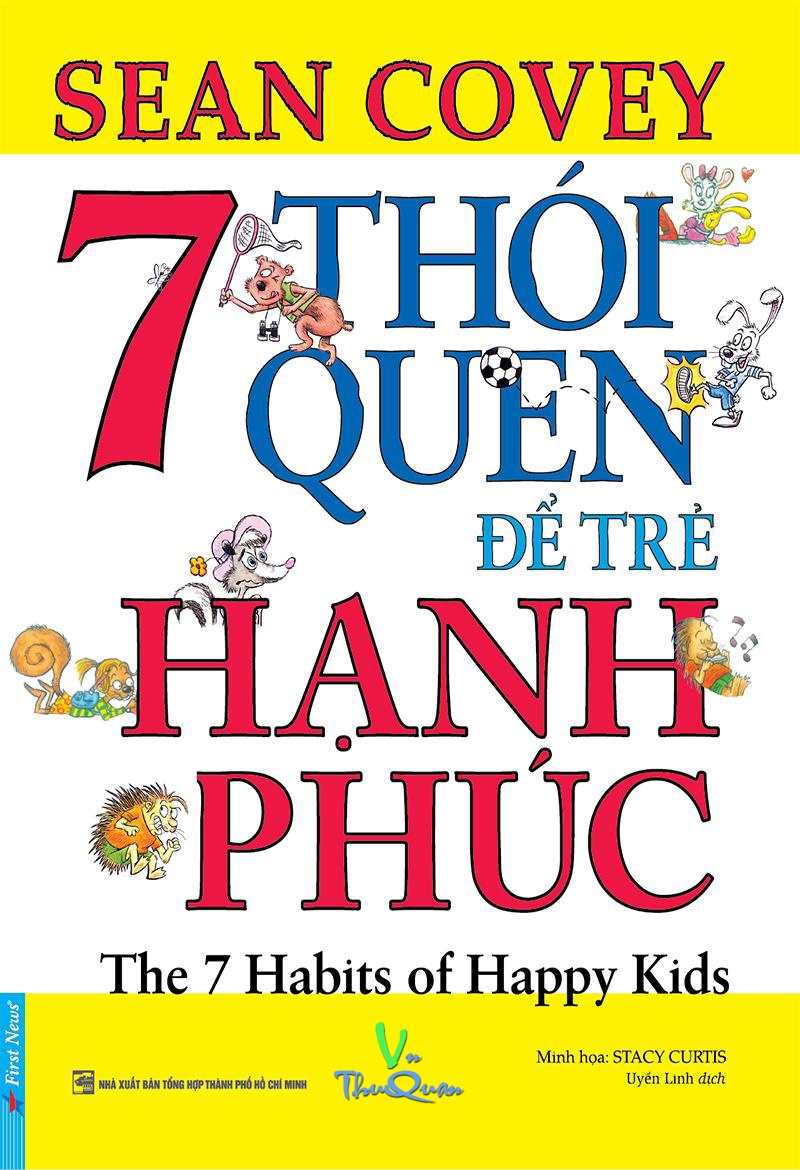
So, when Simon & Schuster asked me if I’d be interested in writing a children’s book based on the 7 Habits, I was giddy, like I had just been let out for recess!
I have come to believe that this book can help kids in three ways:
First, it will teach them about the power of living according to principles – principles such as responsibility, planning ahead, respect for others, teamwork, and balance. Principles are like gravity. They are timeless, universal, and self–evident. And they are needed today more than ever.
Second, it will equip them with a common language they can use with parents and teachers. It can be so helpful to say, “I need to put first things first,” or “Let’s find a win–win for this situation,” and for everyone to know exactly what is meant.
Third, whether they identify with Goob the Bear or Sophie Squirrel, kids will find part of themselves in one of these memorable characters. As a result, these stories will help kids apply the 7 Habits to their own lives.
As you page through this book, you’II notice that each story illustrates one habit. At the end of each story you’II find a note to parents and teachers (Parents’ Corner), which has some suggestions on how to bring out the habit in that story. It also includes a list of questions to ask kids (Up for Discussion) and a list of small steps that kids may take to start practicing the habits (Baby Steps).
At the back of the book is a diagram of the 7 Habits that shows how they work together. And don’t forget to visit the accompanying website at wwwseancoveycom. It has a lot of cool activities for kids, like quizzes, games, and printable character sketches that kids can color in themselves while they read the stories or are read to.
I join hands with you in our common and noble quest to help every kid be a happy kid!
All my best,