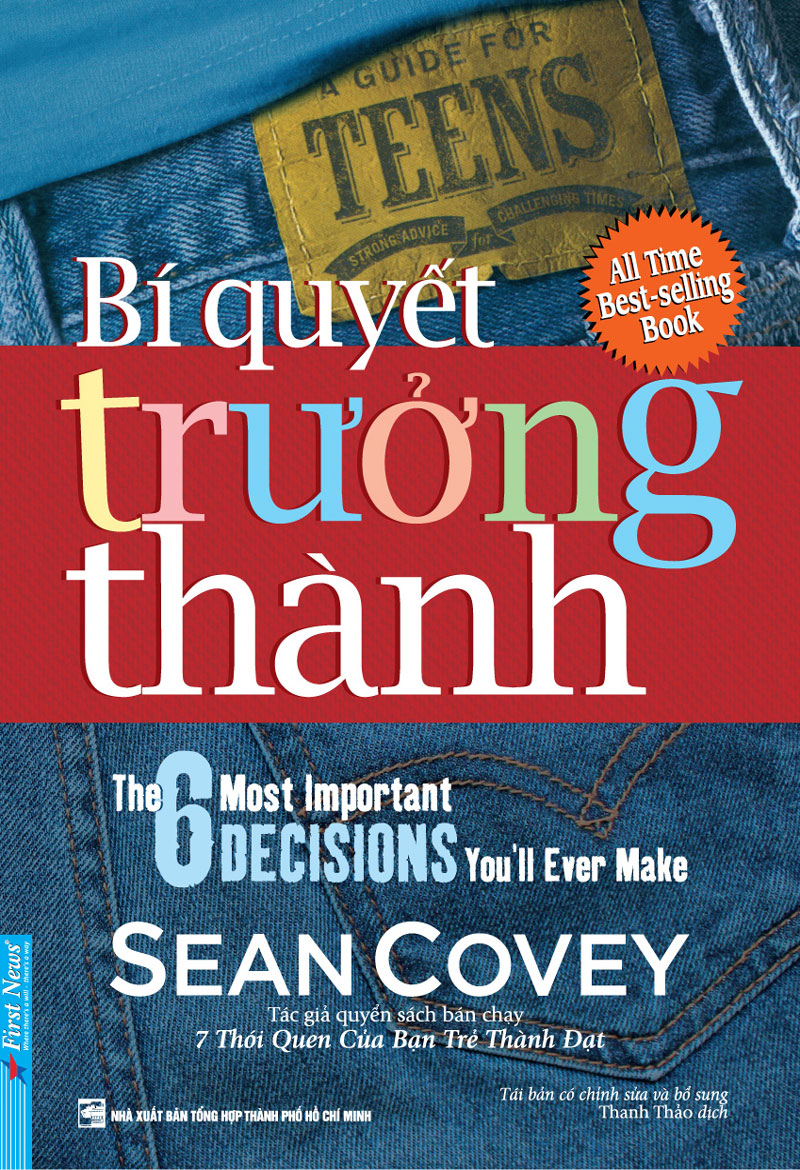
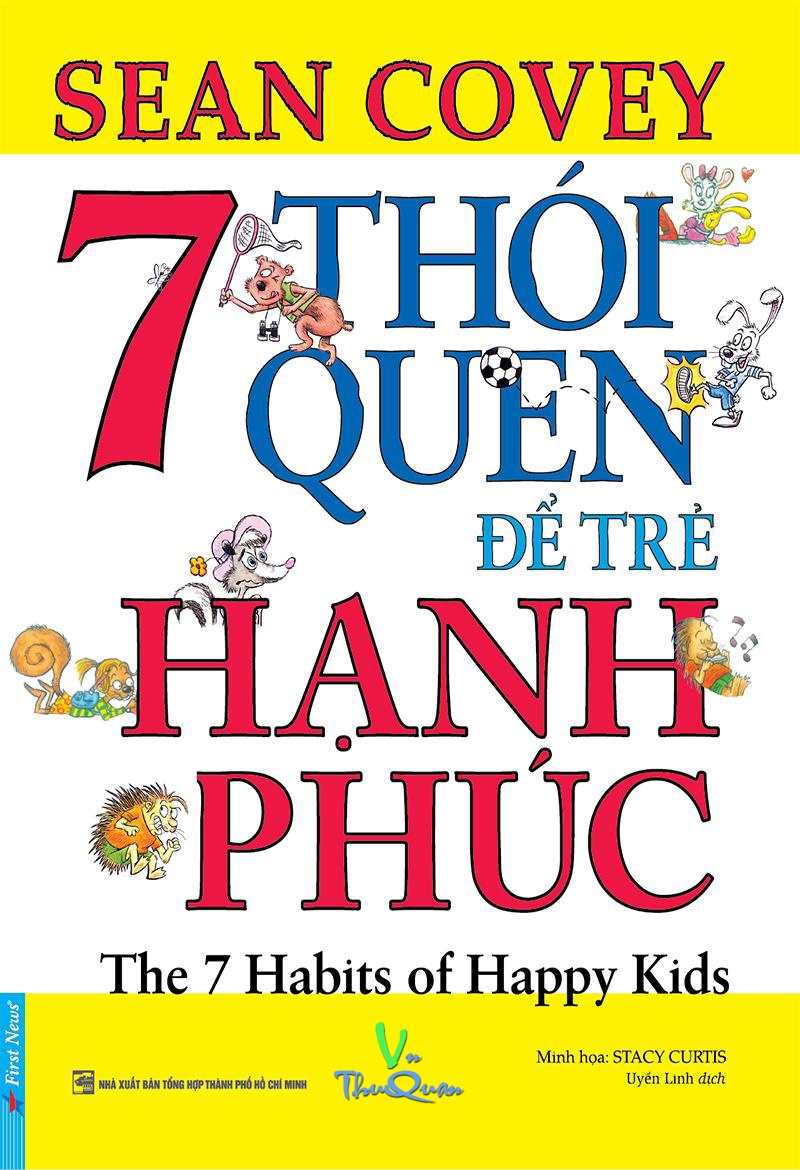
Our son Sean, the author of this book for kids, was such a delightful child that when he went off to his first day of kindergarten in Hawaii (I was on sabbatical at the time), my wife cried: “I don’t want him to go. He’s such good company!” Sean wasn’t too happy about going to Laie Elementary either. We struggled to even get him in the car. He was totally addicted to the nearby Hawaiian beaches and his barefooted lifestyle, and school was the furthest thing from his mind.
He has come a long way since then.
As a father, grandfather, and now great-grandfather, I have seen the profound influence that teaching timeless principles can have on people, particularly young children. That is why I commend to you this book, The 7 Habits of Happy Kids. It teaches the principles or natural laws embodied in the 7 Habits in an entertaining way that speaks directly to kids.
In today’s world, we hear a lot about identity theft, where a thief gains access to your financial accounts and the like. What a misfortune. But there is a more serious type of identity theft going on and we’re largely unaware of it. It happens when children forget who they really are and are stripped of their intrinsic worth and potential. This is the worst kind of identity theft.
When children are immersed in timeless, universal principles—such as responsibility, service, and honesty—both at home and at school, their tremendous worth and potential is affirmed and reinforced. They develop confidence, integrity, and the courage to do the right thing. They build character. And they get in touch with their real DNA.
On the other hand, if children are not taught true principles and don’t see them modeled, they will grow up with comparison-based identities. In other words, they get their sense of self-worth, or lack thereof, from how well they stack up compared to others. As a result, peer pressure becomes their DNA (a cultural-versus-real DNA, if you will) and they lose self-confidence, integrity, and courage. They become more concerned with their image than with themselves and are thus robbed of their real identity.
Hence, the importance of constantly teaching and modeling correct principles!
I am thrilled that the adventures of Goob, Lily, Jumper, and the rest of the gang in 7 Oaks will reach our little ones. And I am stunned at how easy it is to learn the principles of the 7 Habits in the first eight years of life, rather than later, when kids develop comparison-based identities that are based on peers rather than principles.
Let us never forget that primary greatness is character; secondary greatness is popularity, prestige, and “success.” Relatively few people have both. I know you want the children you are raising or teaching to have both, but of course, primary greatness is and should be first and foremost. After all, character is destiny. In the words of Daniel Webster:
“If we work upon marble, it will perish. If we work upon brass, time will efface it. If we rear temples, they will crumble to dust. But if we work upon immortal minds, and instill into them just principles, we are then engraving upon that tablet that which no time will efface, but will brighten and brighten to all eternity.”
- Stephen R. Covey